

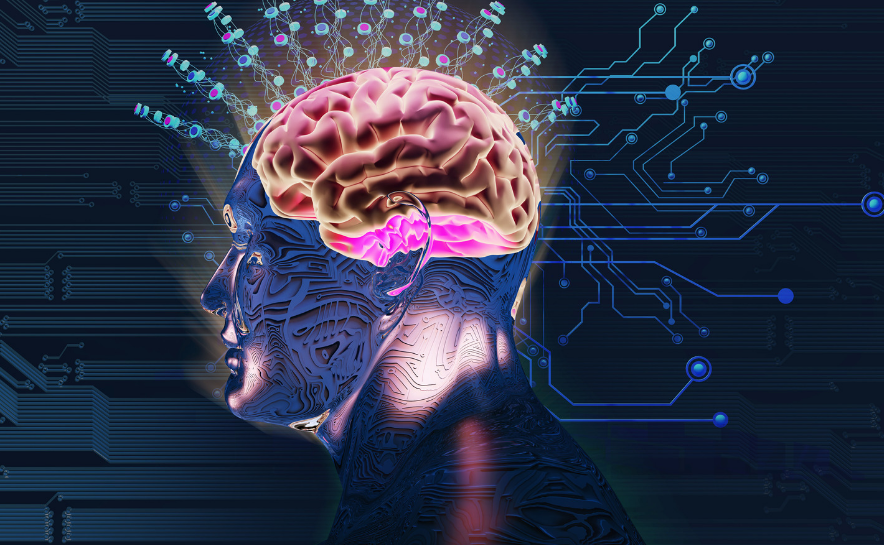
Nervous System Recovery in a High-Stimulation Digital Environment
The modern human nervous system is constantly exposed to layers of stimulation that were never present in earlier environments. Continuous notifications, rapid context switching, artificial lighting, and information overload create a persistent activation state where the brain rarely enters full recovery mode. Over time, this leads to what can be described as functional overstimulation, where the system continues operating but at reduced efficiency. Individuals often misinterpret this as mental fatigue or lack of discipline, when in reality it is a physiological response to prolonged sensory pressure without adequate recovery cycles.
Within structured wellness frameworks such as those developed at FabulousWellnessSolutions, nervous system recovery is treated as a foundational requirement rather than a secondary benefit. The approach focuses on reducing unnecessary stimulation, restoring baseline regulatory rhythms, and reintroducing periods of intentional cognitive rest. When the nervous system is allowed to shift out of constant alert mode, natural processes such as emotional regulation, focus restoration, and energy stabilization begin to re-emerge without forced intervention. This makes recovery not an active effort, but a return to baseline biological functioning.

Why Constant Stimulation Breaks Internal Regulation
The nervous system operates through cycles of activation and recovery, but modern behavioral patterns increasingly disrupt this balance. Frequent screen exposure, irregular sleep timing, and continuous cognitive input prevent the system from fully transitioning into parasympathetic recovery states. As a result, stress hormones remain elevated longer than biologically intended, creating a state of chronic internal tension. This does not always appear as visible stress but often manifests as irritability, low focus capacity, and reduced emotional tolerance.
When these conditions persist, the body begins adapting to the stress environment as a new normal. Recovery windows shrink, attention becomes fragmented, and baseline energy drops. This adaptation is not a failure of the system but a protective response designed to maintain functionality under pressure. However, without intervention that reduces stimulation load, the system remains locked in a cycle of partial recovery and repeated activation, which gradually reduces overall performance capacity.
A dysregulated nervous system does not need more effort — it needs fewer signals.
Restoration Through Controlled Environmental Input
Recovery does not require complete withdrawal from modern life, but it does require structured reduction of input intensity. Controlled environments such as quiet natural spaces, slow walking sessions, and intentional silence periods allow the nervous system to recalibrate its response thresholds. These conditions reduce sensory load and create space for internal regulation mechanisms to re-engage naturally. Over time, this gradual reduction in stimulation helps the brain stop interpreting normal environments as high-pressure input zones. It also reduces baseline alertness levels that remain elevated due to constant digital exposure. As internal tension decreases, the system becomes more efficient at shifting between active and recovery states without resistance.
Over time, repeated exposure to low-stimulation environments improves the system’s ability to transition between states of activity and rest. This improves sleep quality, stabilizes emotional response patterns, and enhances cognitive clarity. The key mechanism is not avoidance of stress but restoration of flexibility within the stress response system itself. The nervous system learns to downshift more efficiently after periods of activation, which reduces lingering fatigue. Emotional reactivity also decreases as internal buffering capacity improves. Cognitive processing becomes less fragmented, allowing for deeper focus and better decision continuity across tasks and environments.
Integration Into Daily Functioning
Long-term nervous system stability depends on how recovery practices are integrated into daily life rather than treated as isolated interventions. Small structural changes such as reducing continuous screen exposure, introducing walking intervals, and maintaining predictable rest cycles contribute to cumulative regulation improvements. These adjustments do not require drastic lifestyle changes but instead rely on consistency and repetition over time. When embedded properly, they begin to shape the nervous system’s default operating rhythm. Over time, this reduces dependence on external recovery interventions because stability becomes internally maintained. The system starts to self-correct more efficiently after periods of stress exposure.
When these patterns become stable, individuals begin to experience a shift in baseline functioning. Mental clarity becomes more consistent, emotional reactions become less reactive, and physical energy stabilizes across the day. This creates a more resilient internal system capable of handling external demands without collapse or excessive fatigue accumulation. Over time, decision-making becomes less impulsive and more grounded because cognitive resources are no longer constantly depleted. The body also begins to recover faster from strain, reducing the need for extended rest periods. This creates a more predictable and stable performance curve throughout the day.
Conclusion
Nervous system recovery is not a luxury or optional enhancement but a fundamental requirement for sustainable cognitive and emotional performance in modern environments. Without structured recovery, the system remains in a continuous state of partial overload that gradually reduces quality of life and functional capacity. This often goes unnoticed until symptoms accumulate into long-term fatigue or burnout patterns. Once this threshold is reached, recovery becomes significantly slower and more complex. Preventing this state requires consistent regulation rather than occasional intervention. Stability is built through repeated cycles of reduced stimulation and intentional recovery spacing.
FabulousWellnessSolutions approaches this challenge by designing frameworks that reduce unnecessary stimulation while restoring natural regulatory rhythms. The goal is not to escape modern life but to restore the internal capacity required to function within it without long-term depletion or imbalance. This involves structured integration of movement, environmental exposure, and lifestyle rhythm design. Over time, these systems help rebuild baseline resilience so individuals can operate under normal life pressures without continuous internal strain. The result is not temporary relief but sustained functional stability across physical, emotional, and cognitive dimensions.
Leave a Reply